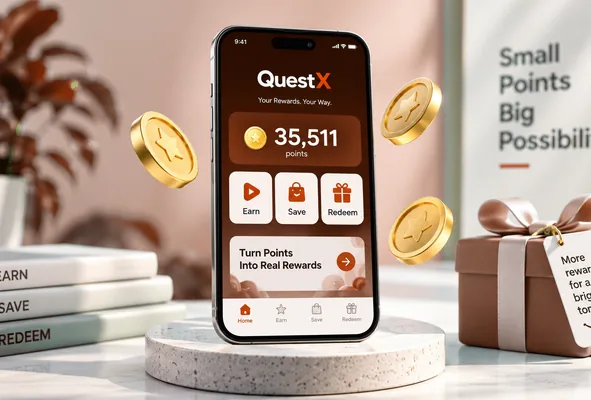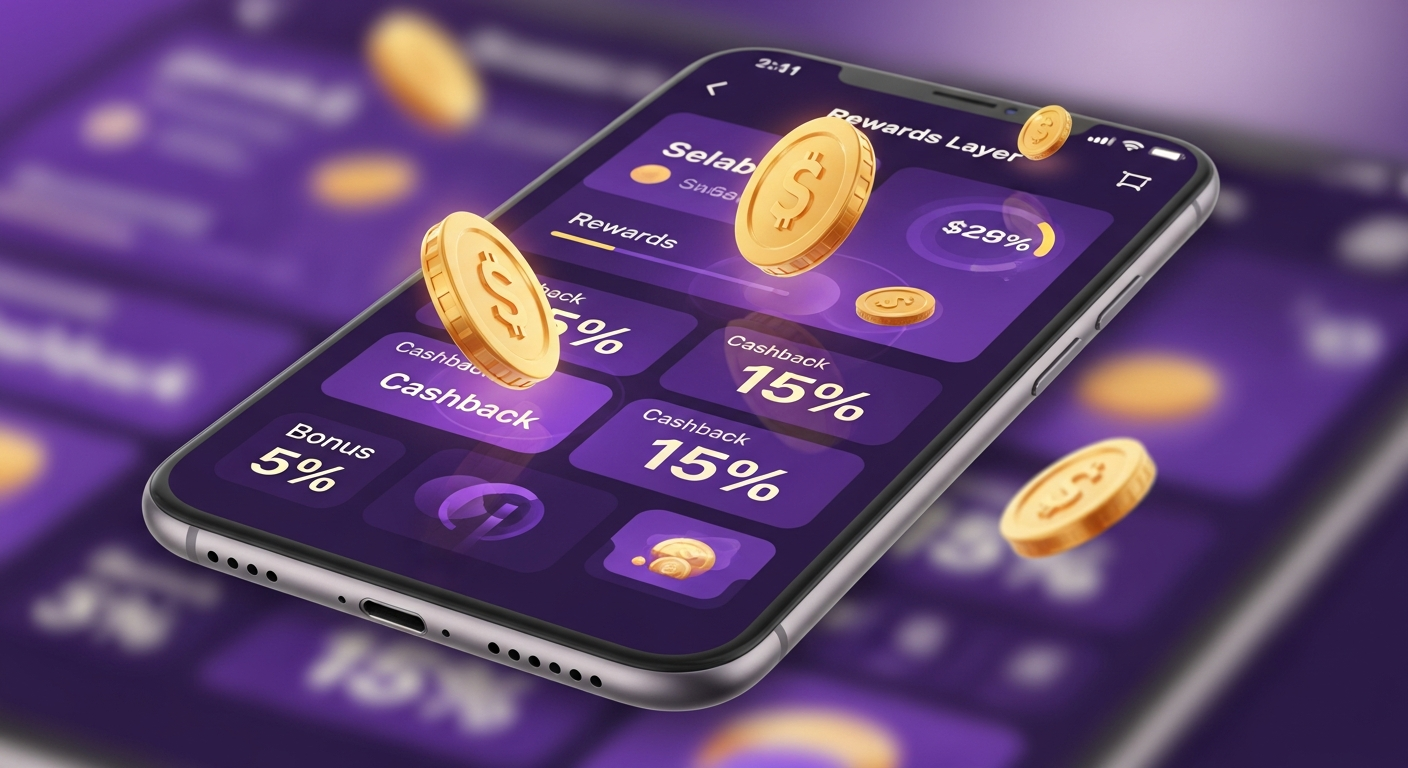
US app publishers integrate cashback, surveys, and move-to-earn rewards directly into their platforms to keep users returning daily—turning one-time users into loyal, engaged community members. By offering tangible financial incentives aligned with everyday spending and activities, publishers see measurable improvements in retention rates, session frequency, and lifetime value.
Why Retention Matters More Than Ever
Retention is the silent engine of app success. While acquiring new users costs money, keeping existing users engaged generates sustainable revenue. According to industry data, mobile apps with active reward systems see 30-40% higher retention rates compared to those without incentive layers.
For everyday US earners and side-hustlers, this translates to real value: apps that reward you for shopping, walking, or completing surveys become part of your routine—not just a one-download-and-forget experience.
The Cashback Model: Instant Gratification Drives Stickiness
Cashback is the most straightforward retention tool. When users see money back in their account after a purchase, they're incentivized to return.
How it works: - Users link their payment methods or shop through the app's merchant network - Purchases trigger automatic cashback deposits (typically 1-10% depending on the retailer) - Accumulated rewards can be withdrawn or reinvested - Real-time notifications keep users informed of earnings
Leading cashback apps like Upside report users earning $40-$60 monthly from gas and groceries alone, creating strong habit loops. Users who see consistent, predictable earnings return more frequently.
Retention insight: Apps that offer category-specific bonuses (5% back on groceries this week, 10% on gas next week) create urgency and encourage daily check-ins.
Surveys & Micro-Tasks: Monetizing Spare Minutes
Surveys and quick tasks fill the engagement gap between major purchases. A user might earn $0.50–$3.00 per survey, adding up to meaningful side income.
Why surveys boost retention: - They're available 24/7, fitting any schedule - No purchase required—pure earn-through-engagement - Instant payouts or point accumulation feel rewarding - Low friction: 2-5 minutes per task
According to NerdWallet's 2026 analysis, survey-enabled apps see users returning 3-4 times per week on average, compared to 1-2 times weekly for cashback-only platforms. The variety keeps the experience fresh.
Move-to-Earn & Gamification: Rewarding Daily Activity
Move-to-earn rewards incentivize physical activity—users earn points or cashback for steps, workouts, or travel. This layer taps into health-conscious behavior while building daily habit loops.
Implementation strategies: - Step tracking synced with health apps (Apple Health, Google Fit) - Location-based rewards (earn more walking near partner merchants) - Milestone bonuses (hit 10,000 steps, unlock a $1 bonus) - Leaderboards and social sharing to drive engagement
Gamification elements—badges, streaks, progress bars—make earning feel like play rather than work. Users who hit a 7-day earning streak are 5x more likely to continue the following week.
The QuestX Model: Stacking Rewards for Maximum Retention
QuestX combines cashback, surveys, move-to-earn, and play-to-earn in a single super-app ecosystem. This stacking approach addresses multiple user behaviors:
Multi-layer engagement: - Cashback on everyday shopping (gas, groceries, online) - Daily surveys and micro-tasks for quick earnings - Rewards for steps and movement - Play-to-earn through integrated games - Share-to-earn by referring friends
Users don't rely on a single earning method—they optimize across all five, creating multiple daily touchpoints. A user might earn $2 from cashback, $1 from a survey, $0.50 from steps, and $0.25 from a game session in a single day. That's $3.75 of tangible value, reinforcing the app's place in their routine.
Key Retention Metrics Publishers Track
Successful reward-based apps monitor these KPIs:
- Day 1, Day 7, Day 30 Retention: Percentage of users returning after 1, 7, and 30 days
- Session Frequency: Average sessions per user per week (target: 3+)
- Session Length: Time spent in-app per session (target: 5+ minutes)
- Redemption Rate: Percentage of earned rewards actually cashed out (higher = stronger engagement)
- Referral Coefficient: New users acquired per existing user (viral growth indicator)
Top-tier cashback apps report Day 30 retention rates of 40-50%, significantly above the US app average of 20-25%.
Best Practices for Publishers Building Reward Layers
If you're building or already using a rewards app, these strategies maximize retention:
For app publishers: - Offer immediate, visible rewards (notifications matter) - Vary reward types to prevent fatigue - Create time-limited bonuses to drive urgency - Simplify redemption (one-tap cashout) - Personalize offers based on user spending patterns
For users seeking maximum value: - Stack multiple earning methods (don't rely on cashback alone) - Complete surveys during downtime - Enable location and step tracking for move-to-earn - Check for weekly bonus promotions - Refer friends to unlock referral bonuses
Frequently Asked Questions
How much can I realistically earn from rewards apps?
Earnings vary by app and effort level. Users report $40-$60 monthly from cashback on gas and groceries, with surveys adding $10-$30 monthly and move-to-earn contributing $5-$15. Multi-app users combining cashback, surveys, and side-hustles often earn $100-$300 monthly. Real earnings depend on your spending habits and time investment.
Why do apps offer rewards if they cost money?
Reward programs drive user retention and increase lifetime customer value. A user earning $50 monthly might spend $2,000 annually through the app's merchant network, generating higher commissions for the publisher than the $50 reward cost. Additionally, user data and engagement metrics are valuable to advertisers and partners.
Which rewards app is best for everyday US users?
The best app depends on your lifestyle. Cashback-focused users prefer Upside or Rakuten for gas and groceries, while side-hustlers benefit from multi-layer platforms like QuestX that combine cashback, surveys, steps, and games. For maximum earnings, use multiple apps simultaneously—each specializes in different categories.
Sources
- The 10 Best Cash Back Apps in 2026 (Ranked & Reviewed) — GreenFi
- 6 of the Best Cash-Back Apps — NerdWallet
- Best Cashback Apps in the US (2026) — ShopBack Care
- Mobile App Retention Rates and Engagement Metrics — data.ai
---
Ready to earn rewards on every purchase, survey, step, and game session? Download QuestX today—the super-app combining cashback, surveys, move-to-earn, play-to-earn, and share-to-earn rewards in one place. Turn your everyday activities into real earnings. Get QuestX now.
 Oct 14, 2026