Card Shop Inventory Planning: Strategic Stock Allocation for 2026 Success
Effective card shop inventory planning requires balancing product diversity, cash flow constraints, and real-time community demand—not overstocking niche products or holding dead inventory that ties up capital. In 2026, successful US card retailers use turnover velocity, seasonal demand cycles, and supplier lead times as their primary planning tools, rather than guessing at total SKU count.
Key Takeaways
- Turnover velocity matters more than total inventory size: prioritize fast-moving core products (booster boxes, singles in high demand) over speculative deep stock.
- Segment inventory by game and format: Pokémon TCG, Magic: The Gathering, and regional games each have distinct seasonal peaks and player bases.
- Plan for 60–90 day supplier lead times: US retailers should forecast 8–12 weeks ahead, especially for limited-edition or region-exclusive products.
- Track cash-to-inventory ratio: Small Business Administration guidance recommends keeping 30–50% of working capital liquid to handle unexpected demand spikes or supplier delays.
- Use point-of-sale (POS) data and community feedback: real-time sales velocity and player input are more reliable than industry benchmarks alone.
Understanding Card Shop Inventory Planning Fundamentals
Card shop inventory planning is the process of determining what products to stock, in what quantities, and when to reorder—based on sales history, supplier availability, and community demand. Unlike apparel or grocery retail, card shops face unique challenges: booster boxes have fixed print runs, secondary market prices fluctuate, and player preferences shift with new set releases or tournament formats.
According to National Retail Federation 2026 outlook data, specialty retailers (including hobby shops) that implement inventory forecasting systems see 15–25% improvements in cash flow and reduced excess stock. The key is segmenting your inventory into three tiers:
- Core stock (40–50% of budget): best-selling booster boxes, popular singles, sleeves, deck boxes.
- Seasonal/event stock (30–40% of budget): products tied to set releases, tournament seasons, or local play events.
- Speculative/niche stock (10–20% of budget): experimental products, regional exclusives, or lower-velocity items.
Segmenting Inventory by Game and Format
Different trading card games have distinct seasonal patterns and player bases. A successful 2026 card shop typically stocks multiple games but allocates inventory differently based on local community strength.
Pokémon TCG often represents 40–60% of booster box inventory in most US markets. Pokémon's official product release calendar includes four major set releases per year, plus special expansions. Plan inventory peaks 2–4 weeks after each official release date.
Magic: The Gathering typically accounts for 25–40% of inventory in competitive or established communities. Magic releases follow a predictable quarterly schedule, with supplemental products (commander decks, special editions) distributed throughout the year. Draft and sealed events drive demand for booster boxes; standard and modern formats drive singles demand.
Regional or emerging games (Yu-Gi-Oh!, One Piece, Digimon) warrant 5–15% of inventory, depending on your local player base. Track attendance at local play events to validate demand before committing significant capital.
Supplies and accessories (sleeves, playmats, binders, deck boxes) should represent 15–25% of total inventory value but often generate 30–40% of gross margin. These items have predictable demand and long shelf life, making them ideal for cash flow stability.
Forecasting Demand: Lead Times and Seasonal Cycles
US card retailers must account for 60–90 day supplier lead times when planning major inventory purchases. Distributors and direct suppliers typically require orders 8–12 weeks in advance for booster boxes and special products.
Planning workflow:
- Month 1: Review prior 12 months of sales data by product category and game. Identify top 20% of SKUs that generate 80% of revenue (Pareto principle).
- Month 2: Forecast next quarter's demand based on announced set releases, local tournament schedules, and community feedback. Allocate budget to core, seasonal, and speculative tiers.
- Month 3: Place orders with distributors and suppliers. Confirm delivery windows and lead times.
- Month 4: Monitor incoming inventory, update POS system, and prepare marketing for product arrivals.
- Months 5–6: Execute sales, track velocity by SKU, and adjust reorder quantities based on real-time data.
Seasonal demand patterns in US card retail typically peak in:
- Spring (March–May): new set releases, Easter holiday spending, end-of-school-year events.
- Summer (June–August): regional tournaments, vacation spending, back-to-school prep.
- Fall (September–November): major set releases, holiday shopping begins, tournament season.
- Winter (December–February): holiday gifts, New Year resolutions, post-holiday sales.
Cash Flow and Working Capital Strategy
Inventory is capital tied up on shelves. The Small Business Administration recommends that specialty retailers maintain a cash-to-inventory ratio of 1:1.5 to 1:2, meaning for every dollar of inventory, you should have $0.50–$0.67 in liquid cash reserves.
For a card shop with $50,000 in inventory, maintain $25,000–$33,000 in accessible cash or credit lines. This buffer covers:
- Unexpected supplier price increases.
- Rush orders to meet demand spikes (e.g., surprise tournament announcements).
- Slow-moving inventory markdowns.
- Operating expenses during seasonal downturns.
Turnover velocity benchmarks:
- Booster boxes: 30–45 day turnover (8–12 units per month per SKU).
- Singles (high-demand): 15–30 day turnover.
- Accessories: 45–60 day turnover.
- Speculative stock: 90+ day turnover (acceptable if margin is high).
If a product isn't turning in 90 days, reduce stock or discontinue it. Reinvest freed capital into faster-moving items.
Using POS Data and Community Feedback
Modern card shops use point-of-sale systems to track sales velocity in real time. TCGPlayer market reports and similar platforms provide secondary-market pricing trends, but your own POS data is more actionable for inventory planning.
Key POS metrics to monitor:
- Daily/weekly sales by product: which booster boxes, singles, or accessories sold today?
- Inventory turnover ratio: (cost of goods sold ÷ average inventory value) × 365 = days to turn inventory.
- Gross margin by category: are accessories generating higher margin than booster boxes?
- Customer acquisition by event type: do draft nights, sealed events, or casual play drive more retail sales?
Community feedback channels:
- Host monthly "inventory feedback" sessions during casual play nights.
- Survey customers on social media about desired products or formats.
- Track attendance at local tournaments and play events; use that data to forecast demand.
- Join local retailer groups (many US cities have card shop owner networks) to share best practices.
Integrating QuestX Rewards and Collection Tracking
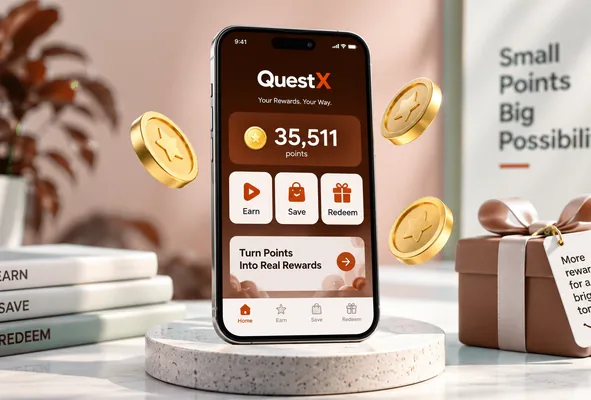
As a card retailer, you can integrate QuestX rewards and collection features into your inventory strategy. QuestX allows collectors to track their cards and participate in rewards programs, which can drive repeat visits and customer loyalty.
How QuestX supports inventory planning:
- Collection tracking: customers use QuestX to log purchases and build digital collections, providing you with anonymized demand signals.
- Rewards integration: point customers to QuestX retail shop for exclusive products or promotions tied to your inventory.
- Wholesale opportunities: if you're a distributor or larger retailer, explore QuestX wholesale terms for bulk inventory or co-marketing campaigns.
Note: QuestX pack logs are reference tools, not ownership proof or inventory guarantees. Wallet points do not imply pack checkout or redemption. Confirm current stock and terms on the relevant shop route.
Frequently Asked Questions
Q: How much inventory should a new card shop start with?
A: A new US card shop should launch with $15,000–$30,000 in inventory, focused on 60–70% core products (popular booster boxes, sleeves, deck boxes) and 30–40% seasonal or game-specific stock. Avoid overcommitting to niche games or speculative products until you've validated local demand. Reinvest early profits into inventory expansion.
Q: What's the ideal booster box-to-singles ratio?
A: Most successful card shops stock 50–70% booster boxes and 30–50% singles by SKU count, but 40–60% booster boxes and 40–60% singles by revenue. Singles generate higher margin and attract competitive players; booster boxes drive casual customer traffic and event participation. Adjust this ratio based on your local community (competitive vs. casual play).
Q: How often should I reorder inventory?
A: Reorder core products every 2–4 weeks based on POS velocity and 60–90 day lead times. Seasonal or event-specific products should be ordered 8–12 weeks in advance. Use a reorder point formula: (average weekly sales × lead time in weeks) + safety stock. For example, if you sell 10 booster boxes per week and lead time is 12 weeks, reorder when inventory drops to 120 boxes + 20 safety stock = 140 boxes.
Sources
- National Retail Federation – 2026 Retail Outlook
- Pokémon Trading Card Game Official Rules & Legality
- Magic: The Gathering – Official Product Releases
- U.S. Small Business Administration – Retail Inventory Management
- TCGPlayer Market Reports – Card Game Trends
---
Ready to Optimize Your Card Shop Inventory?
Effective inventory planning is the foundation of a profitable card shop. Start by analyzing your current POS data, segmenting products by turnover velocity, and aligning reorder schedules with supplier lead times. Use community feedback and seasonal demand cycles to refine your forecast each quarter.
If you're a retailer or event organizer, explore how QuestX can enhance customer engagement and provide demand signals. Visit QuestX retail shop to review current product offerings and terms, or contact QuestX wholesale to discuss inventory partnerships. Confirm all stock availability and pricing on the relevant shop route before committing to orders.
Start planning your Q1 2026 inventory today—your cash flow will thank you.
 Nov 22, 2026