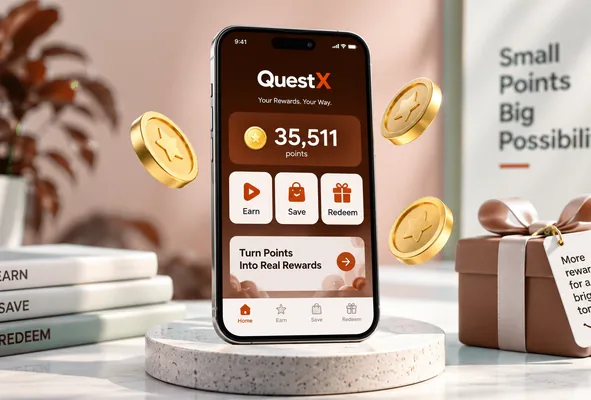
Effective card shop inventory planning balances demand forecasting, supplier lead times, and cash flow to maximize profitability while minimizing overstock and stockouts. A structured approach to inventory management in 2026 requires tracking product velocity, understanding seasonal trends, and building reliable distributor relationships—the foundation of sustainable retail operations.
Key Takeaways
- Demand forecasting reduces overstock waste and stockouts by aligning purchases with real customer interest and local play patterns.
- Supplier relationships with distributors and direct publishers enable faster restocks and better negotiating power on wholesale terms.
- Inventory tracking systems (spreadsheets, POS software, or cloud platforms) are essential for cost control and cash flow visibility.
- Seasonal planning around major set releases, local tournaments, and school calendars drives predictable revenue cycles.
- Marketplace revenue streams (online listings, grading partnerships, consignment) diversify income and reduce physical inventory risk.
Understanding Card Shop Inventory Planning in 2026
Card shop inventory planning is the process of forecasting demand, purchasing stock from distributors or publishers, and managing shelf space and cash flow to serve your local community profitably. Unlike traditional retail, trading card shops face unique challenges: rapid product releases (often monthly for major games), volatile collector demand, and high-value items that tie up capital.
According to the National Retail Federation's 2026 Outlook, specialty retail segments—including gaming and collectibles—continue to emphasize inventory optimization and omnichannel strategies. For card retailers, this means balancing physical shop inventory with online marketplace listings and wholesale inquiry channels.
Demand Forecasting and Product Velocity
Start by analyzing which products move fastest in your shop and community:
- Track sales by product category: Booster boxes, theme decks, singles, sleeves, grading services, and sealed vintage stock.
- Monitor local play patterns: Check The Pokémon Company International and Wizards of the Coast for official tournament calendars and set release dates in your region.
- Survey customer feedback: Ask collectors which sets, rarities, and card conditions they seek most.
- Use historical data: Compare sales from the same quarter last year to identify seasonal trends.
Example: If your shop sold 40 Pokémon TCG booster boxes in Q1 2025 but only 15 in Q2, plan for lower Q2 2026 purchases unless a major set release or local tournament changes demand.
Building Supplier and Distributor Relationships
Reliable suppliers are the backbone of inventory planning. Establish partnerships early:
- Primary distributors: Identify 2–3 major wholesale distributors (e.g., Asmodee, Alliance Entertainment, or regional partners) that stock Pokémon TCG, Magic: The Gathering, and Yu-Gi-Oh! products.
- Direct publisher relationships: Contact publishers directly for wholesale inquiry and event support; many offer dedicated retailer programs.
- Lead time planning: Ask suppliers for typical restocking windows (often 5–10 business days) and plan purchases accordingly.
- Volume discounts: Negotiate better wholesale margins as your order volume grows; bulk purchases of sealed product often yield 20–35% discounts off MSRP.
Use QuestX's wholesale inquiry shop to explore partnership terms and confirm current wholesale availability for your region.
Inventory Tracking Systems and Tools
Choose a system that fits your shop size and budget:
Spreadsheet-Based (Low Cost) - Google Sheets or Excel templates to log product SKU, purchase cost, retail price, quantity on hand, and sales date. - Pros: Free or low-cost; flexible. - Cons: Manual data entry; prone to errors; limited reporting.
Point-of-Sale (POS) Software (Mid-Range) - Platforms like Square, Shopify, or Toast integrate sales, inventory, and customer data in real time. - Pros: Automated tracking; sales analytics; online marketplace integration. - Cons: Monthly subscription ($50–$300+); setup time.
Enterprise Inventory Management (High-End) - Cloud-based systems (e.g., NetSuite, Cin7) for multi-location shops or wholesale operations. - Pros: Advanced forecasting; supplier integration; detailed reporting. - Cons: Expensive; requires training.
Key metrics to track: - Inventory turnover ratio = (Cost of Goods Sold) ÷ (Average Inventory Value). Target: 4–8 turns per year for card shops. - Days inventory outstanding = (Average Inventory) ÷ (Daily COGS). Lower is better; aim for 45–90 days. - Gross margin = (Retail Sales – Wholesale Cost) ÷ (Retail Sales). Typical card shop margin: 30–50%.
Seasonal Planning and Set Release Calendars
Major trading card games release new sets on predictable schedules. Plan inventory accordingly:
Pokémon TCG (via The Pokémon Company): - Typically 4 main sets per year plus special releases. - Peak demand: 1–2 weeks after launch. - Plan 20–30% higher stock in the launch week; reduce restocks by week 3.
Magic: The Gathering (via Wizards of the Coast): - 4 main sets annually plus supplemental releases. - Draft events drive booster demand; constructed formats drive singles demand. - Coordinate with local tournament schedules.
Yu-Gi-Oh! TCG (via Konami): - Booster sets release every 2–3 months. - Structure Decks and special editions have shorter shelf lives.
Seasonal factors: - Back-to-school (August–September): Higher youth participation. - Holiday season (November–December): Gift-buying surge; stock sealed product and gift bundles. - Summer (June–August): Outdoor play and casual collecting; lower tournament demand.
According to the Small Business Administration, seasonal cash flow planning is critical for specialty retail; many card shops experience 40–60% of annual revenue in Q4.
Managing Cash Flow and Overstock Risk
Inventory ties up capital. Minimize waste with these strategies:
- Just-in-time ordering: Purchase high-velocity items weekly; slower items monthly.
- Consignment partnerships: Accept graded cards or vintage stock on consignment to reduce upfront cost.
- Marketplace listings: Use QuestX's retail shop or other online platforms (eBay, TCGPlayer) to reach buyers beyond your local area and offload slow-moving singles.
- Clearance cycles: Mark down overstock by 10–20% after 60 days; deeper discounts after 90 days.
- Return policies: Negotiate return windows with distributors for sealed product that doesn't sell within 30–45 days.
Cash flow example: If you purchase $10,000 in booster boxes at 40% wholesale discount (cost: $6,000) and sell them over 6 weeks, your cash is tied up during that period. Plan for 4–6 weeks of operating expenses (rent, staff, utilities) from other revenue streams or reserves.
Building a Diversified Revenue Model
Don't rely solely on product sales:
- Play space rental: Charge entry fees for tournaments, casual play nights, or league events.
- Grading services: Partner with third-party graders or offer in-house grading.
- Singles and consignment: Stock high-demand singles and vintage cards on consignment to reduce capital risk.
- Online marketplace: List inventory on QuestX, TCGPlayer, or eBay to reach collectors nationwide.
- Rewards programs: Implement loyalty programs that encourage repeat purchases and community engagement.
Frequently Asked Questions
What's the ideal inventory-to-sales ratio for a card shop?
A healthy card shop maintains an inventory-to-sales ratio of 1.5–2.5x monthly sales. For example, if your shop averages $15,000 in monthly sales, aim for $22,500–$37,500 in total inventory value. This balance ensures adequate stock without excessive capital waste. Track this ratio quarterly and adjust purchasing based on seasonal trends.
How often should I reorder inventory?
High-velocity items (popular booster sets, sleeves, playmates) warrant weekly restocks; mid-velocity items (older sets, specialty products) every 2–3 weeks; low-velocity items (vintage sealed stock, niche games) monthly or as-needed. Coordinate with distributor lead times (typically 5–10 business days) to avoid stockouts. Use your POS system to flag items approaching reorder points automatically.
How do I handle overstock from failed set releases or declining interest?
First, reduce wholesale orders immediately. Next, discount overstock 10–15% in-store and list excess inventory on online marketplaces (like QuestX's retail shop) to reach broader audiences. Consider consignment partnerships or bundle slow-moving items with popular products. If necessary, negotiate returns with distributors within their stated return window (often 30–45 days). Document all overstock decisions to improve future forecasting.
Sources
- The Pokémon Company International – Official TCG Resources
- Magic: The Gathering – Wizards of the Coast Official
- Yu-Gi-Oh! Official Card Game – Konami
- National Retail Federation – 2026 Retail Outlook
- Small Business Administration – Inventory Management Guide
---
Ready to Optimize Your Card Shop Inventory?
Effective inventory planning is the cornerstone of a profitable card shop. Whether you're launching a new retail location or refining your current operations, structured demand forecasting, reliable supplier partnerships, and robust tracking systems drive sustainable growth.
For retailers seeking rewards integration, collection tracking, or online marketplace features, explore QuestX's retail shop to see current product availability and terms. For wholesale inquiry and partnership opportunities, visit QuestX's wholesale shop to confirm current terms and regional availability. Confirm all stock, pricing, and redemption terms directly on the relevant shop before committing to orders.
Start your 2026 inventory planning today—your bottom line will thank you.

 Nov 22, 2026
